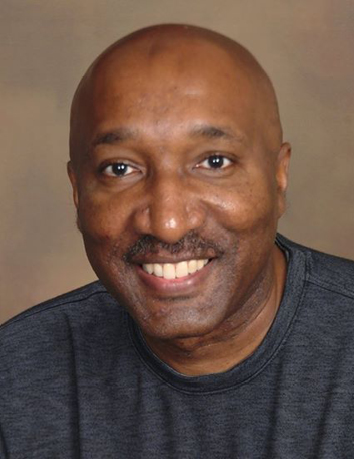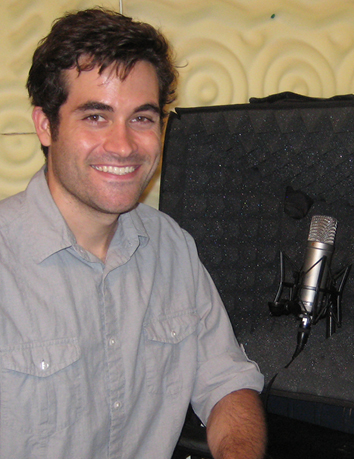


John at the studio

John Burr has more than 30 years of experience as a recording engineer/producer, as a musical and theatrical performer/director, and as a professional trainer/coach. He has written and produced scripts in all media, and has directed many well-known national performers. His many years of working as a voiceover talent, recording engineer, editor, and producer have given him an in-depth understanding of every stage of the production process.

His transition to coaching voiceovers came about as a result of requests by several Washington voiceover performers to help them develop their skills to a higher level, after he had coached them on scripts he was producing for his clients.

Many of his former students have narrated for Discovery and Learning Channels, History Channel, National Geographic, and national audiobook producers, as well as many of America's well-known corporations, such as Marriott, Xerox, IBM, Danaher, Carey International, and Lockheed-Martin.

John received his musical training at the Eastman School of Music, baccalaureate education at the University of Maine, and post-graduate work at American University. As a singer and assistant conductor of the U.S. Air Force Band Singing Sergeants and as a performer and musical director for the American Educational Theater Association and USO, he toured nationally and internationally for several years. As an actor and singer, he performed in many professional stock company productions, and performed in over forty operas with the Washington Opera.

The uniqueness in his approach to training comes from many years of applied language dynamics and musical characteristics to the process of teaching how to understand and interpret scripts and how to communicate with others in a natural, believable, purposeful, and convincing manner. His new book, The Script Interpreter’s Handbook, due out in 2012, reflects this approach.


Becoming a first-rate voiceover talent is far from easy. It involves a real commitment to the learning process, a willingness to acknowledge the faults in one’s approaches, and one which often involves a great deal of patience, as the early stages of progress are often tedious.

There are several training programs out there that involve two or three-day seminar/workshops. I have resisted these all-inclusive offerings because I believe that the only way to make significant progress in a reasonably short period of time is through one-on-one instruction.

Don’t get me wrong. In-depth seminars and workshops are very worthwhile. However, most of the conventional wisdom tells us that one usually walks away from long seminars with a lot of useful notes and maybe four or five very important and memorable pointers. So, for me at least, they should serve as tools to make what you already do well better. To expect a long weekend program to be your primary source of instruction in building your technique, however, in my opinion, is wishful thinking.


READ MORE ABOUT JOHN'S CREDO

GO TO JOHN'S BLOG